


Immediate Crisis Support
If you or someone you know is in distress or experiencing thoughts of suicide, please call or text 988 to reach the Suicide Crisis Helpline (24/7, free, and confidential), call emergency services at 911 or the Distress Centre Calgary at 403-266-4357, or visit your nearest emergency department.
Professional Couples Counselling in NW Calgary
Viewpoint provides personalized, evidence-based couples counselling in NW Calgary.
Our licensed therapists are all Gottman Method certified and can help partners break free from repetitive conflict, repair emotional disconnect, rebuild trust, and restore meaningful connection through compassionate, tailored therapeutic approaches.

What Relationship Disconnect Feels Like

Every relationship experiences rough patches, miscommunications, or periods where life's external stresses pull partners in different directions. Usually, these moments pass as daily routines settle and conversations resume naturally.
But when distance or tension becomes the baseline, it can feel like you are living as roommates rather than partners, walking on eggshells in your own home.
You might find yourselves caught in the same exhausting arguments over and over, where neither person feels truly heard or understood. Rather than feeling like a supportive team, small interactions turn into defensive conflicts or heavy, silent retreats. Meanwhile, on the inside, you may feel deeply lonely, frustrated, or uncertain about how to bridge the growing gap between you. Conversations that used to feel effortless, about future plans, daily logistics, or emotional intimacy, now feel fraught, overwhelming, or completely avoided.

Relationship Challenges We Can Help With
Relationships evolve, and every couple encounters unique roadblocks. We provide dedicated support for a wide range of relationship concerns, including:
· Repetitive Conflict & Communication Breakdown: Breaking out of painful cycles where arguments derail quickly, feeling unheard, or resorting to silent treatments.
· Emotional Disconnect & Loneliness: Overcoming feelings of growing apart, roommate dynamics, or a loss of emotional closeness and shared joy.
· Infidelity & Trust Repair: Navigating the complex process of healing, rebuilding transparency, and restoring safety after a breach of trust or emotional betrayal.
· Life Transitions & Stressors: Adapting to major shifts such as becoming parents, career changes, moving, caring for aging relatives, or navigating empty-nest stages.
· Intimacy & Physical Disconnect: Addressing differences in affection, emotional vulnerability, and physical intimacy in a non-judgmental environment.
Going through a rough patch doesn't mean your relationship is broken, it simply means you've hit a point where you need new tools and a clear way forward. You don't have to navigate these struggles in isolation or figure out every step on your own.
At Viewpoint, we recognize that every relationship is different and complex in its own way. We use effective, research-backed modalities tailored to help partners break unhealthy patterns and reconnect deeply
Evidence-Based & Personalized Therapy at Viewpoint
Modalities & Clinical Frameworks We Utilize
Depending on your needs and the specialized approach of your therapist, your care plan may incorporate elements from:
The Gottman Method
Utilize practical, structured tools to improve communication, manage conflict constructively, deepen mutual understanding, and strengthen shared goals.


Attachment Informed Therapy
Understand how individual attachment styles and past experiences shape your adult relationship dynamics and conflict responses.

Relational Life Therapy
Address power imbalances, foster accountability, and equip both partners with practical skills to cultivate deep, authentic connection.

Emotion Focused Therapy (EFT)
Identify the primary emotions behind defensive reactions, helping partners express underlying needs and create secure, lasting emotional bonds.
THE VIEWPOINT APPROACH
Collaborative Care & Excellence
During your initial consultation, your therapist will discuss their clinical orientation and collaborate with you to design a therapeutic approach that feels safe, aligned, and effective for your journey. At Viewpoint, we are deeply committed to providing the highest quality of care; our licensed team regularly engages in structured, in-house peer consultation and continuous professional training. This collaborative framework ensures your care is enriched by the collective expertise of our entire senior team, keeping our methods sharp, modern, and clinically sound.
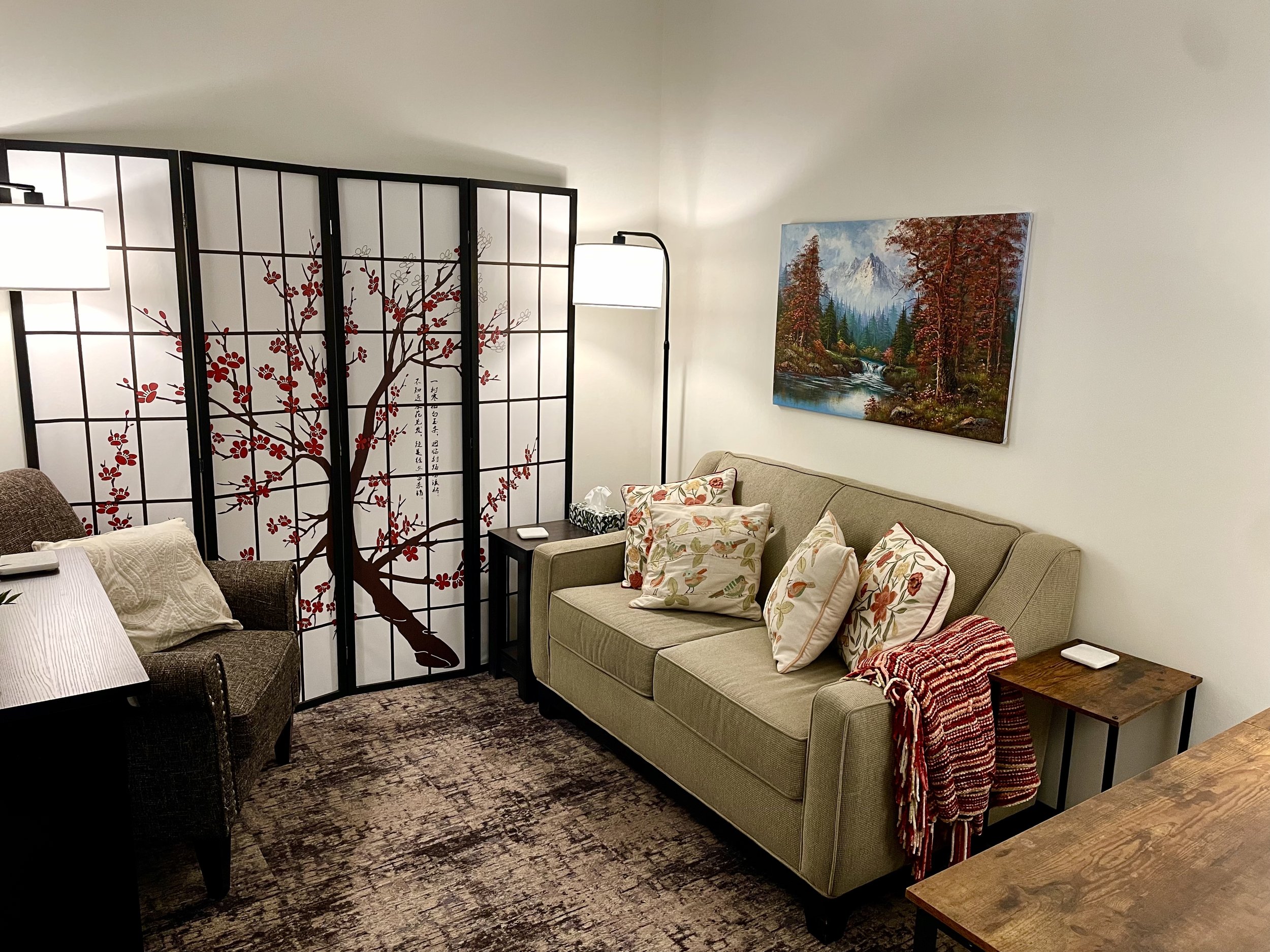
We also believe that accessing mental health support should not introduce extra friction or stress into your life. Whether you choose to meet with us in our calm, confidential space in NW Calgary or connect securely from the comfort of your own home via telehealth, our goal is to make your transition into therapy as smooth, direct, and supportive as possible.
Visit Our NW Calgary Clinic
Suite 221, North Hill Professional Centre, 1632 14th Avenue NW, Calgary, AB T2N 1M7

Located directly adjacent to the Lions Park LRT Station and major Calgary Transit bus routes.

Convenient on-site parking is available at North Hill Centre, featuring up to 3 hours of free surface parking, or 2 hours of free parking in designated zones which requires license plate registration, as posted.

Secure telehealth/online therapy sessions are also available if you are located anywhere in Alberta or Nunavut.


Frequently Asked Questions
-
You don't need to be in a crisis or on the brink of separation to benefit from couples therapy. While many couples seek support to resolve deep-seated conflict or repair trust, counselling is equally valuable as a proactive measure, helping partners navigate major life transitions, improve everyday communication, or reconnect before minor disconnects become larger issues.
-
It is common for one partner to feel uncertain or anxious about starting therapy. You can begin by attending individual sessions to explore your own relationship patterns, clarify your needs, and learn constructive communication strategies. Often, when one partner begins making positive shifts, the other becomes more open to joining future sessions.
-
Yes, we offer in-person counselling at our clinic in the North Hill Professional Centre (Suite 221, 1632 14th Avenue NW, Calgary), as well as secure telehealth therapy for individuals located across Alberta.
-
Private counselling is not covered by Alberta Health Care. However, most extended health benefit plans (e.g., Sun Life, Canada Life, Manulife, Blue Cross) and Health Spending Accounts (HSAs) provide full or partial coverage for services provided by Registered Psychologists, Provisionally Registered Psychologists, or Licensed Social Workers. We recommend checking with your insurance provider prior to your first session to confirm your specific plan’s coverage details.
-
The duration varies depending on your specific goals, the complexity of the issues, and the level of distress in the relationship. Short-term counselling focused on specific communication tools or minor transitions may take 8 to 12 sessions. Rebuilding trust after a major betrayal or unlearning long-standing conflict cycles often requires a longer therapeutic commitment.
-
No. A skilled couples therapist maintains a neutral, non-judgmental stance. In couples counselling, the relationship itself is viewed as the client. The therapist's role is not to assign blame or determine who is "right," but to help both partners identify unhealthy interaction patterns, understand each other's perspectives, and work together toward shared solutions.
-
Therapy cannot force a outcome, but it provides clarity. Even when one partner is uncertain, Discouragement/Discernment Counseling can help the couple decide whether to commit to six months of all-in therapy or move toward a amicable separation.
-
No formal preparation is needed. It can be helpful to discuss your individual goals for therapy beforehand and enter the session with an open mind. During your initial appointment, the therapist will guide the conversation to understand your relationship history, current challenges, and what you both hope to achieve.
-
Research shows that virtual couples therapy is just as effective as in-person therapy for improving relationship satisfaction and reducing distress.
Major studies, including research published by the American Psychological Association (APA) and the Journal of Marital and Family Therapy, found no significant difference in outcomes between teletherapy and face-to-face sessions, even when using structured approaches like the Gottman Method or Emotionally Focused Therapy (EFT).

Take the First Step Toward Healing
Restoring vitality begins with a single conversation. Contact our team at Viewpoint today to schedule an initial consultation with one of our licensed therapists and take your first step forward.