
Orange Shirt Day, and What I'm Actually Doing With This Day
September 30 is Orange Shirt Day, started in 2013 by Phyllis Webstad, a residential school Survivor whose new orange shirt was taken from her on her first day of school and never returned. In 2021, the federal government also made September 30 the National Day for Truth and Reconciliation. Webstad has asked that both be remembered together, not one replacing the other. Two days, one date, both true.
There's a pull I've noticed toward two extremes when non-Indigenous people talk about Indigenous experiences. One flattens people into trauma, as if pain is the whole story. The other rushes to resilience, which can quietly become a way of skipping past what happened. Neither one allows for the vastness of experience and the varying truths people hold. I'm trying to resist both extremes this year.
I'm a settler, and I won't pretend this isn't my history too, my ancestors built and ran this system. This is not an easy thing to say, and I wonder what the world would look like if all settlers sat with this. This is not to cause shame, but to hold accountability, because we cannot change what we do not acknowledge. And this history isn't over. Indigenous children today are still dramatically overrepresented in the child welfare system, a direct throughline from residential schools to now.
This day, for me, means reflecting on the residential school system and the harm it caused Survivors, their families, and their descendants. It means interrogating my own biases honestly rather than remaining comfortable. It also means treating this as a practice, not a date on the calendar. Allyship that only shows up once a year isn't really allyship.
There are many events being held in the city, one of which is a reconciliation walk and gathering hosted by the Pokaiks, an Indigenous-led walk that starts at the Peace Bridge and moves into Contemporary Calgary for ceremony, Elder storytelling, and artisan showcases.
Listening directly matters too. I've been learning a lot from the Relentless Indigenous Woman podcast, hosted by Dr. Candace Manitopyes, a Moose Cree First Nation educator who is based here in the city. Her conversations go well beyond history, into humour, culture, and what it actually looks like to live with experiences today.
Content note: the resources below relate to residential schools and may bring up difficult feelings, especially for Survivors and their families.
If you want to learn more or need support:
Orange Shirt Society (orangeshirtday.org), the organization behind Orange Shirt Day, with Survivor stories and educational resources.
Relentless Indigenous Woman podcast, hosted by Dr. Candace Manitopyes, for ongoing education straight from an Indigenous educator and advocate.
National Centre for Truth and Reconciliation (nctr.ca), which records and shares Survivor testimony and runs a 24/7 support line at 1-866-925-4419.
Native Counselling Services of Alberta, Indigenous-led counselling and family support here in Alberta.
Hope for Wellness Help Line, 1-855-242-3310, or chat at hopeforwellness.ca, offering counselling for First Nations, Inuit, and Métis people in several languages, 24/7.
If you're a Survivor or family member and need support today, please reach out to any of these. You don't have to hold this alone.
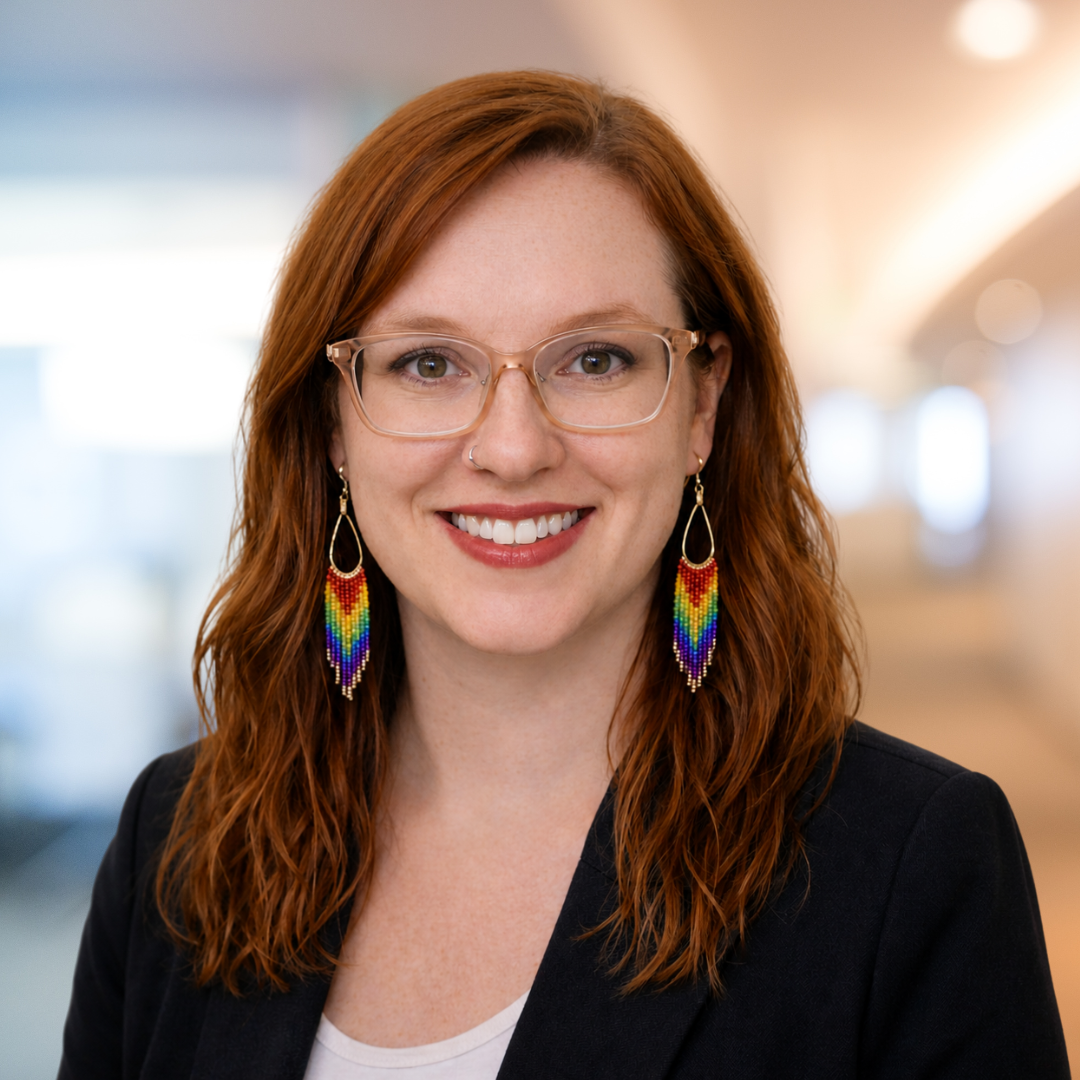
Kelsey Cox
Registered Provisional Psychologist